Free · effects-chain plugin
OA FX Rack
The board inside every synth, as a plugin of its own: chain our effects in any order, on any track, from board in to board out, and save the chain as a preset.
OA FX Rack installs with the Ozner Audio app and a free account. Get the app
AUVST3
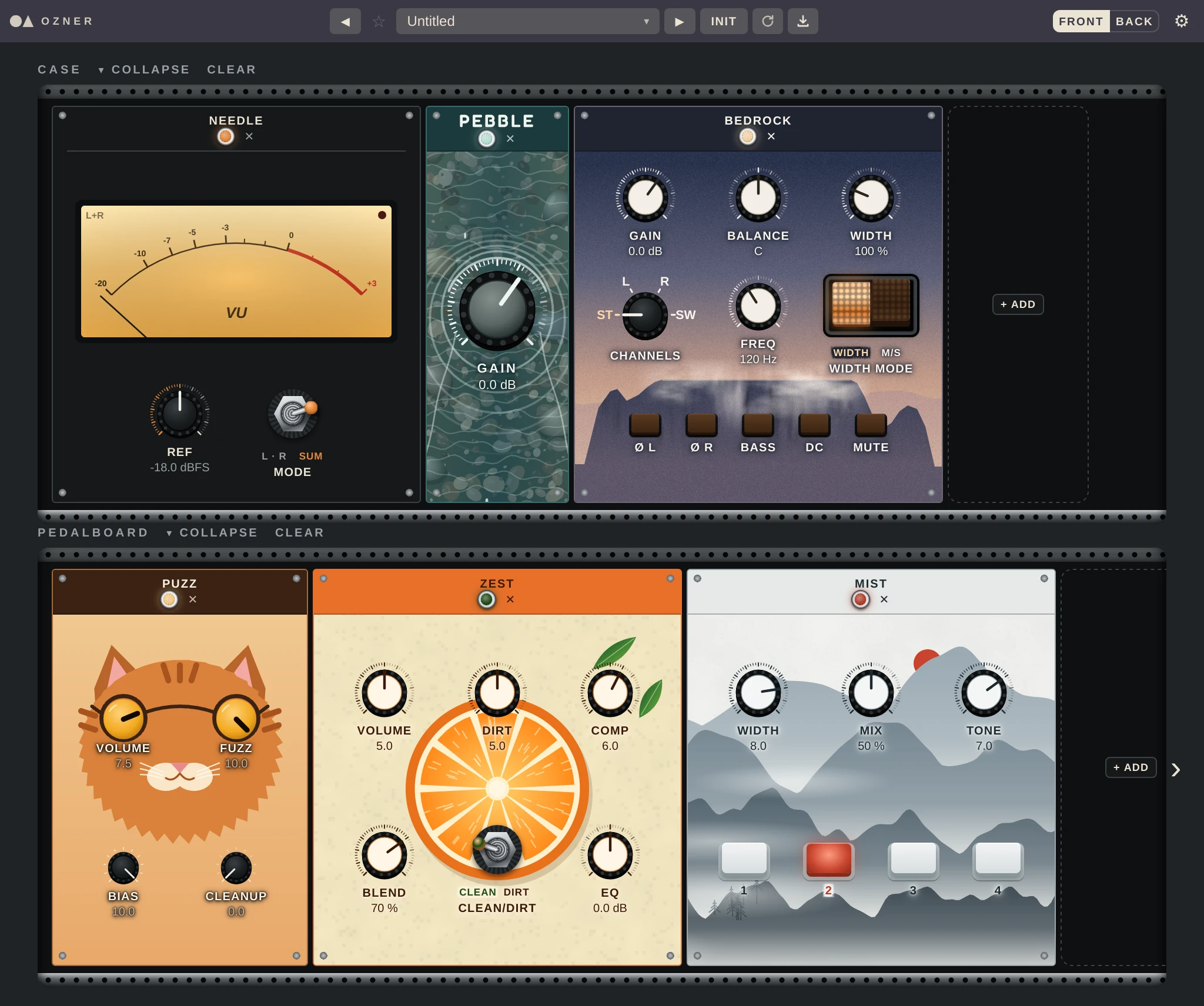
The free effects, in
Every free effect, ready to drop in. The paid ones join the moment you own them.
Split
Split the chain into lanes and blend them back together.
Nothing dropped
Open a session with an effect you don't own yet: it keeps its slot and every setting, bypassed, until you do.
The free units
17 of them, each its own plugin too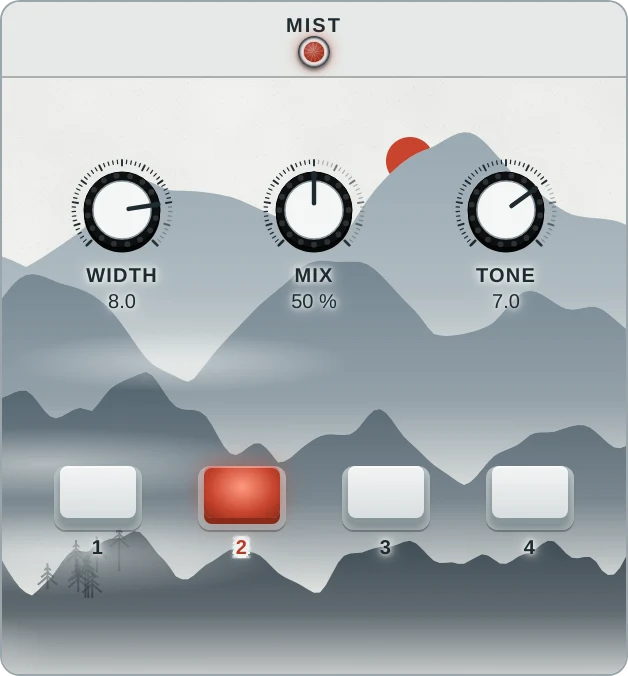 A wide, still studio chorus: four buttons, 1 the subtlest and 4 the strongest, any of them together for the shades between, with Width, Mix and Tone.
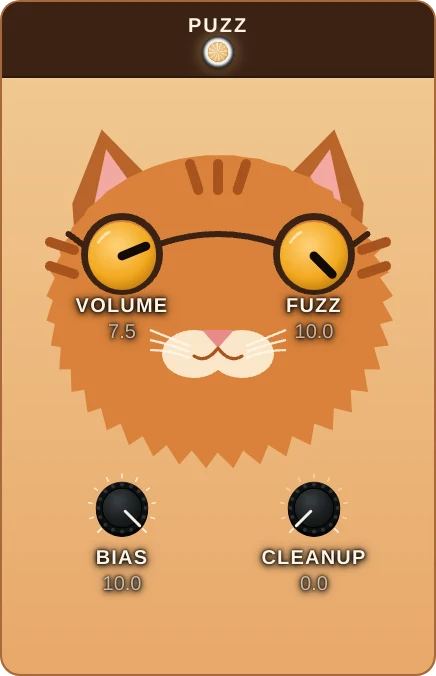 A germanium fuzz in the style of a classic two-transistor pedal: thick, ragged and woolly, and it cleans up as the guitar's volume is rolled back.
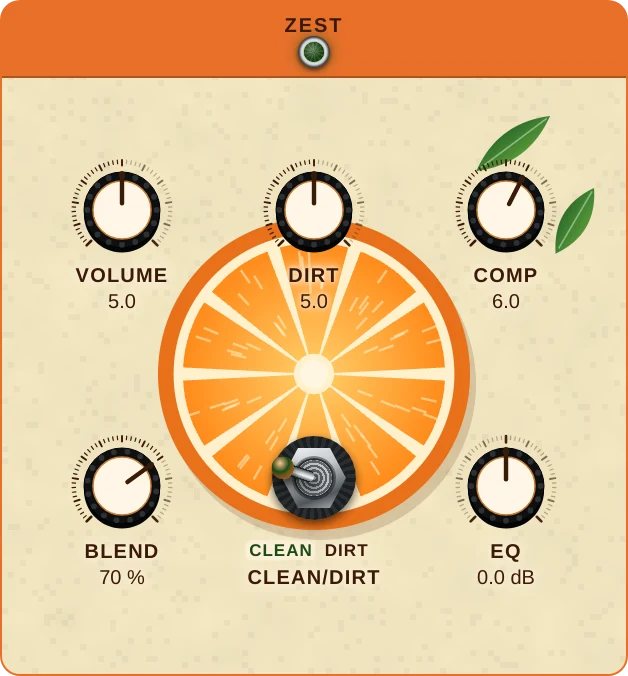 A subtle, coloured squeeze compressor that keeps the pick attack: Volume and Comp, Blend for the dry attack, a tilt EQ, and a Dirt switch with a knob for its grit.
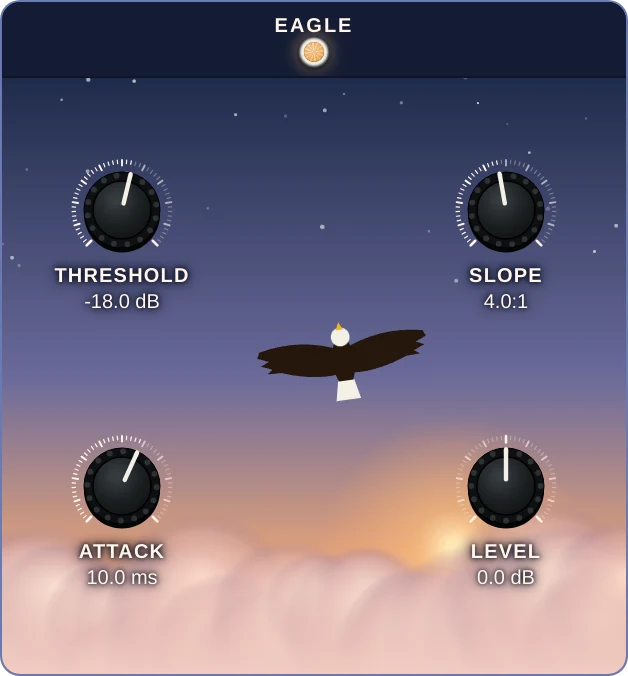 A transparent bass compressor that works quietly underneath, evening the notes without changing the tone: Threshold, Slope, Attack and Level.
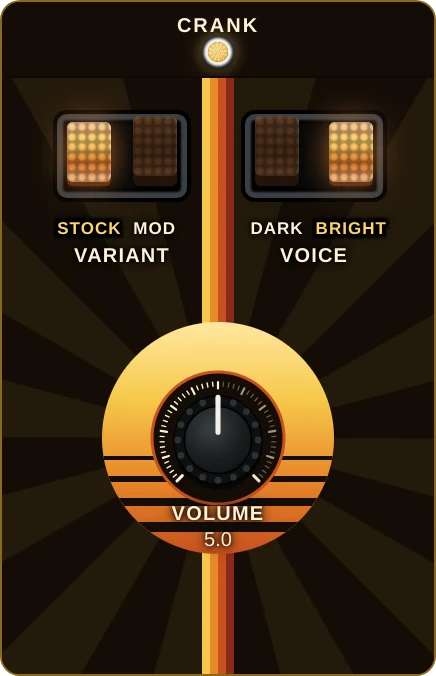 A tiny amp turned all the way up: huge, dark and raw, almost a fuzz, squeezing and blooming as you dig in and cleaning up a little as you play softer.
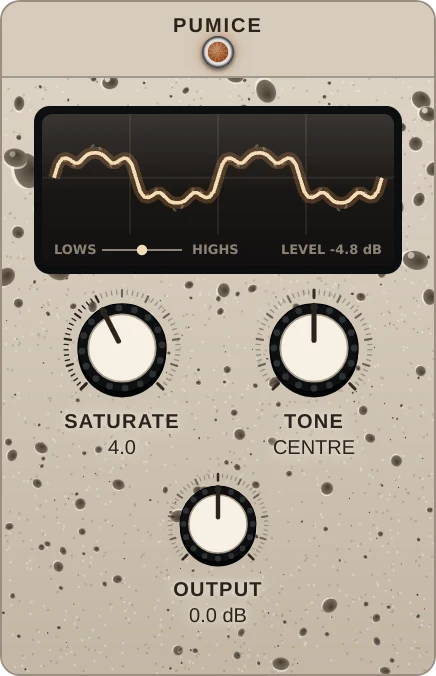 A warm saturator, its level matched as you turn it up: Saturate from gentle warmth to thick and compressed, Tone for where the harmonics come from, and Output to sit it in the chain.
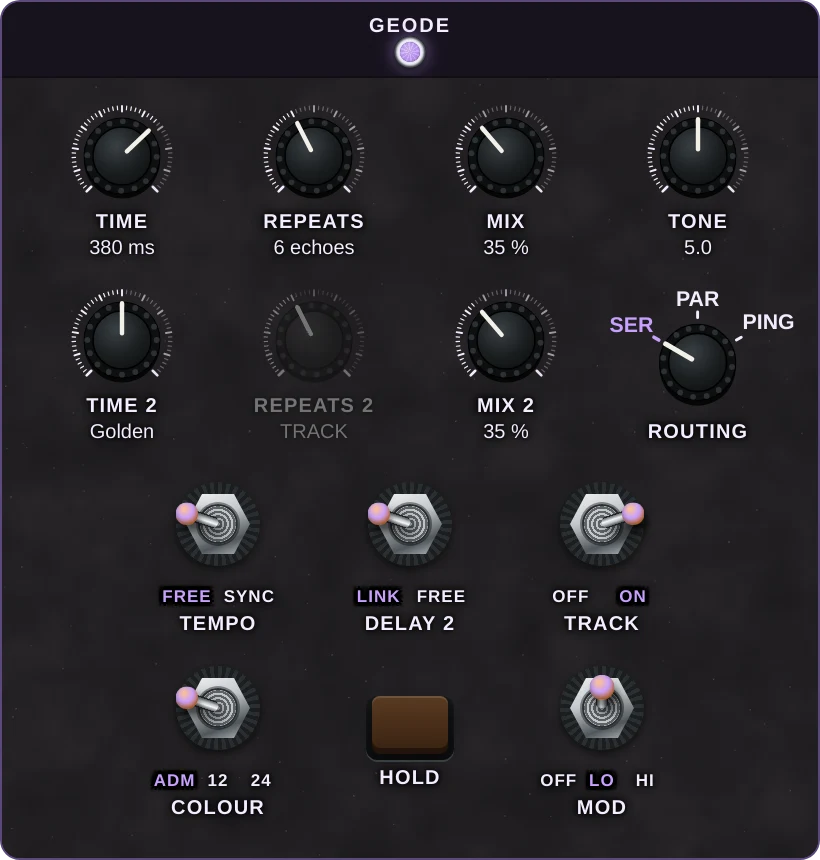 A dual digital delay: two delays, the second a rhythm of the first or its own, in series, in parallel or ping-ponging, in three colours of '80s digital.
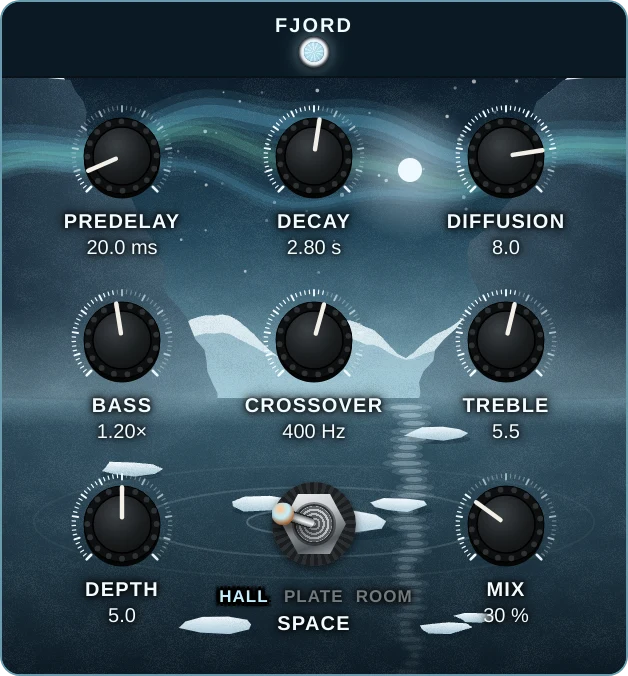 A lush digital reverb of the early '80s studio: a hall, a plate or a room, its lows and highs ringing longer or shorter than its Decay.
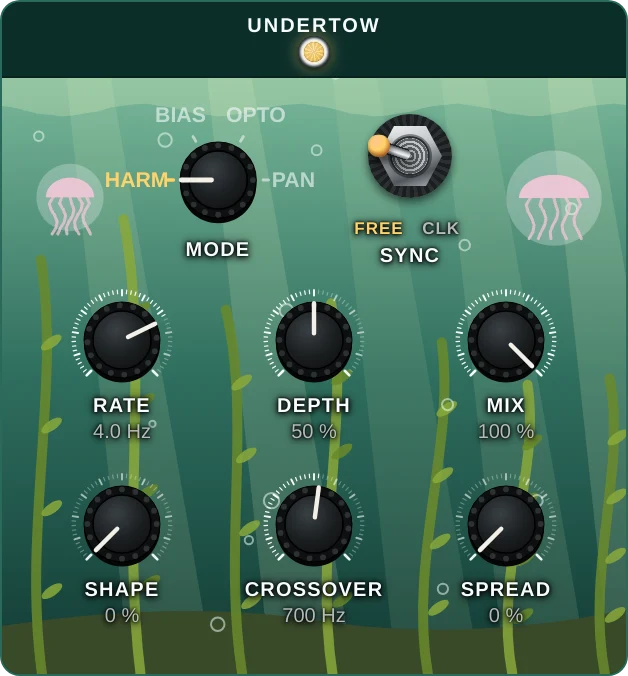 A tremolo that swings the volume in time: a harmonic one in the style of early-'60s amps, its lows and highs swirling in opposite phase, or a bias, optical or pan tremolo, free or locked to the song's tempo.
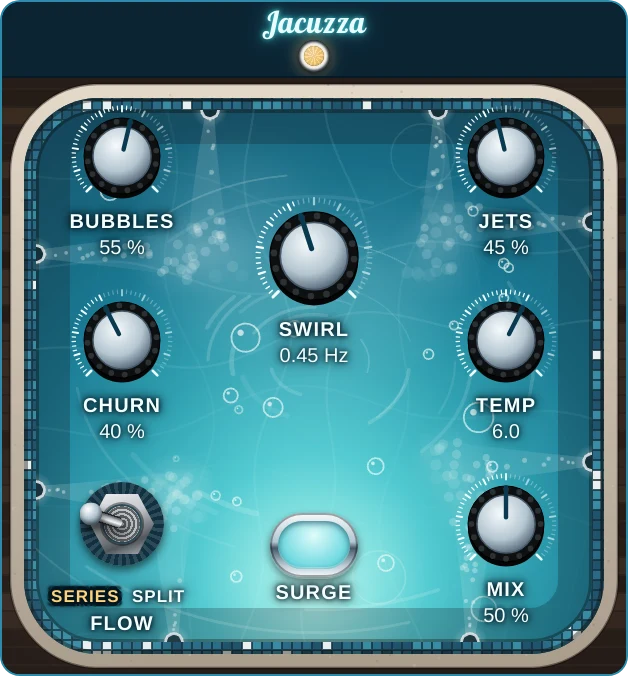 A phaser and a flanger in one tub on one wandering LFO: round bubbles and rushing jets, in series or side by side, with the lows kept dry and Surge to open it all up.
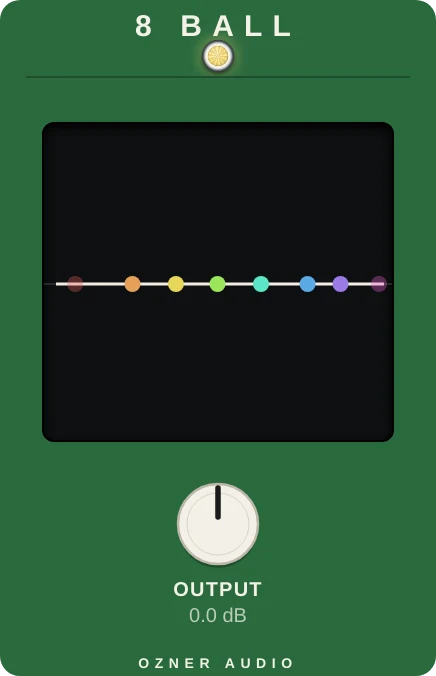 An eight-band EQ to shape the tone: filters, shelves and bells, each acting on both sides or one. Click its graph for the full editor.
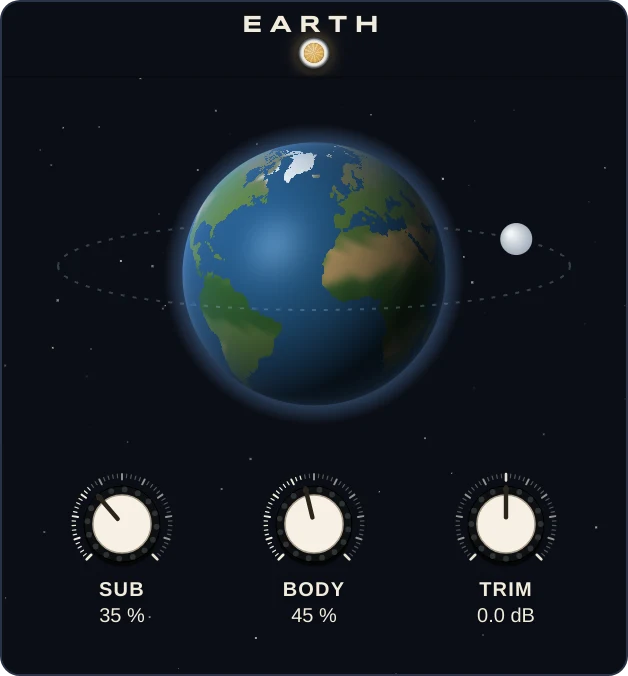 A low-end enhancer, so a bass reads on phones and laptops and still has weight on big speakers: Sub adds an octave under it, Body its harmonics, Trim sets the level.
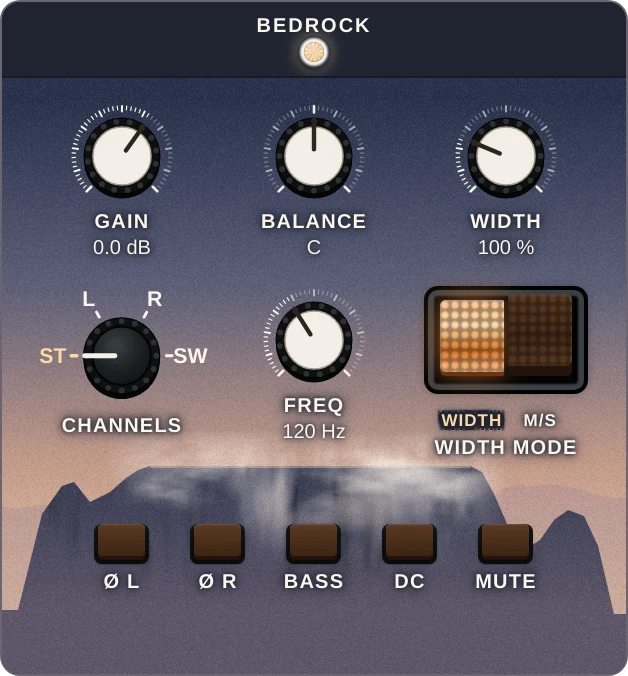 A stereo utility that adds no colour: it sets the level and balance, widens or narrows the image, works on the mid and side, keeps the bass centred and flips polarity.
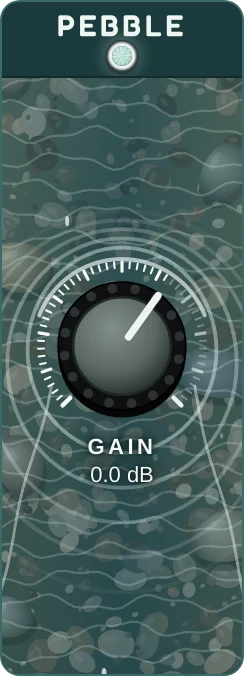 A one-knob trimmer: it sets the level and nothing else, so a chain can be staged between two units.
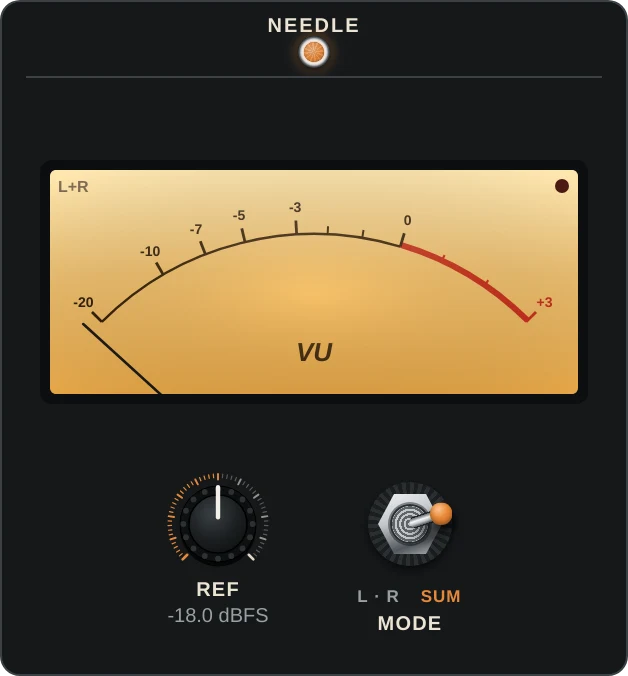 A pair of VU meters that show how loud something sounds, the needles rising and falling at a VU's own pace. The sound passes through untouched.
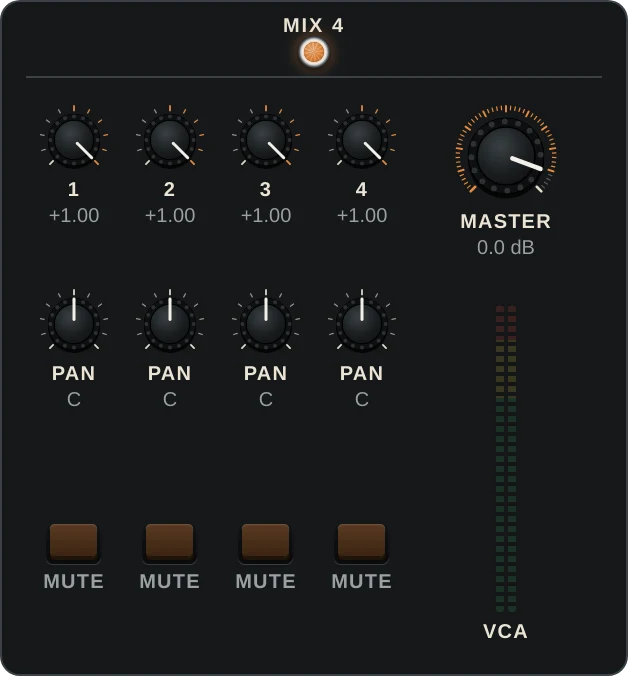 A four-channel stereo mixer: each channel has a level that flips its polarity below the centre, a pan and a mute, then a master level.
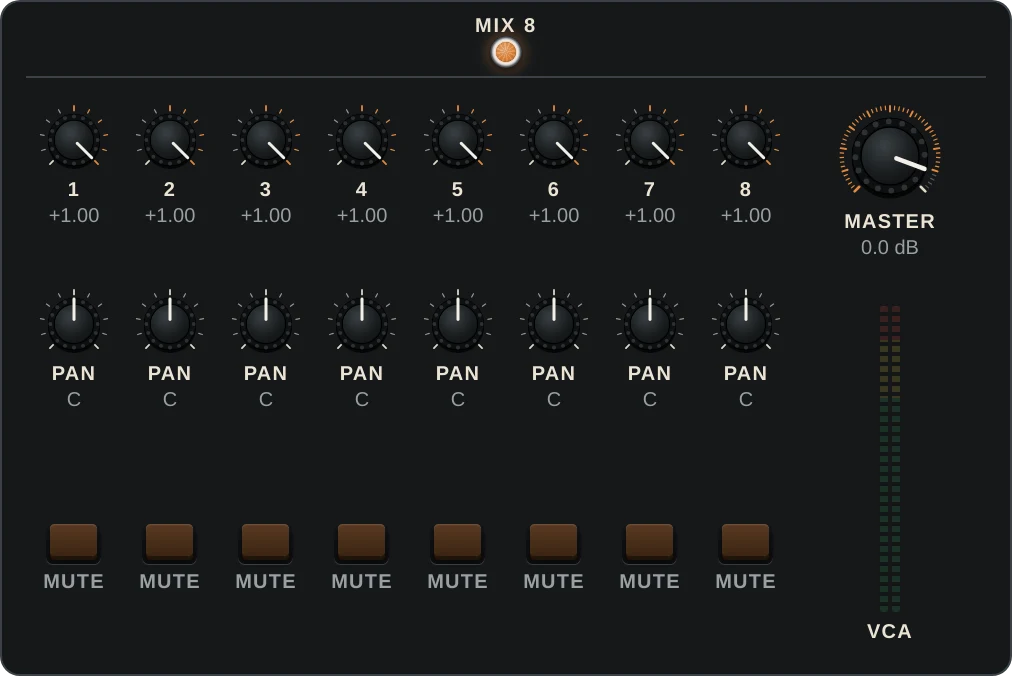 An eight-channel stereo mixer: each channel has a level that flips its polarity below the centre, a pan and a mute, then a master level.